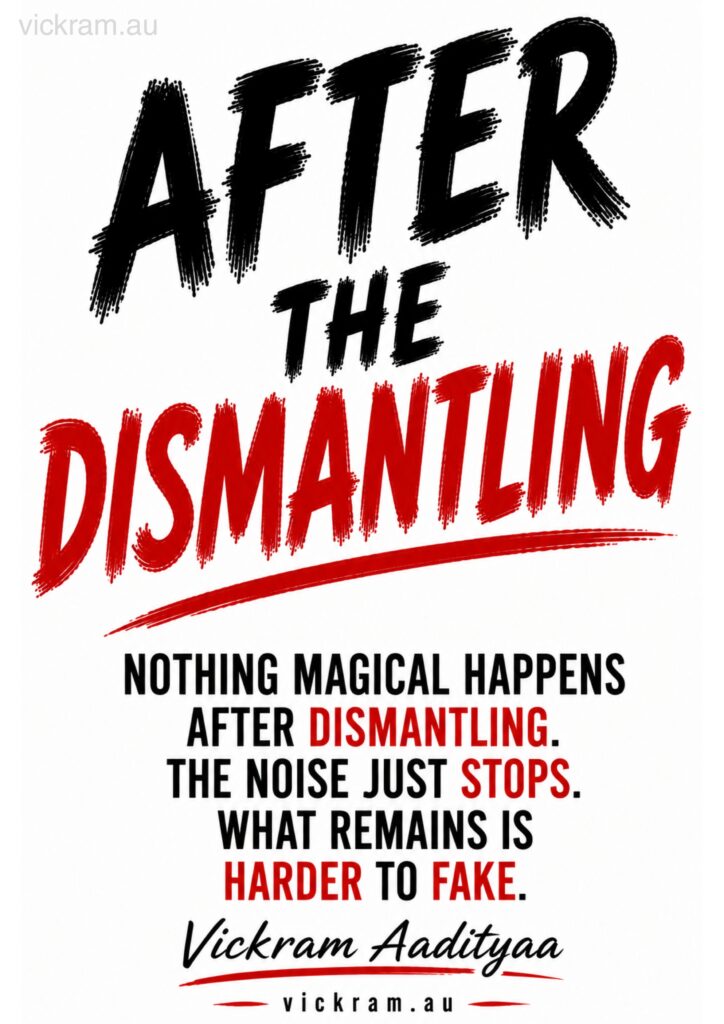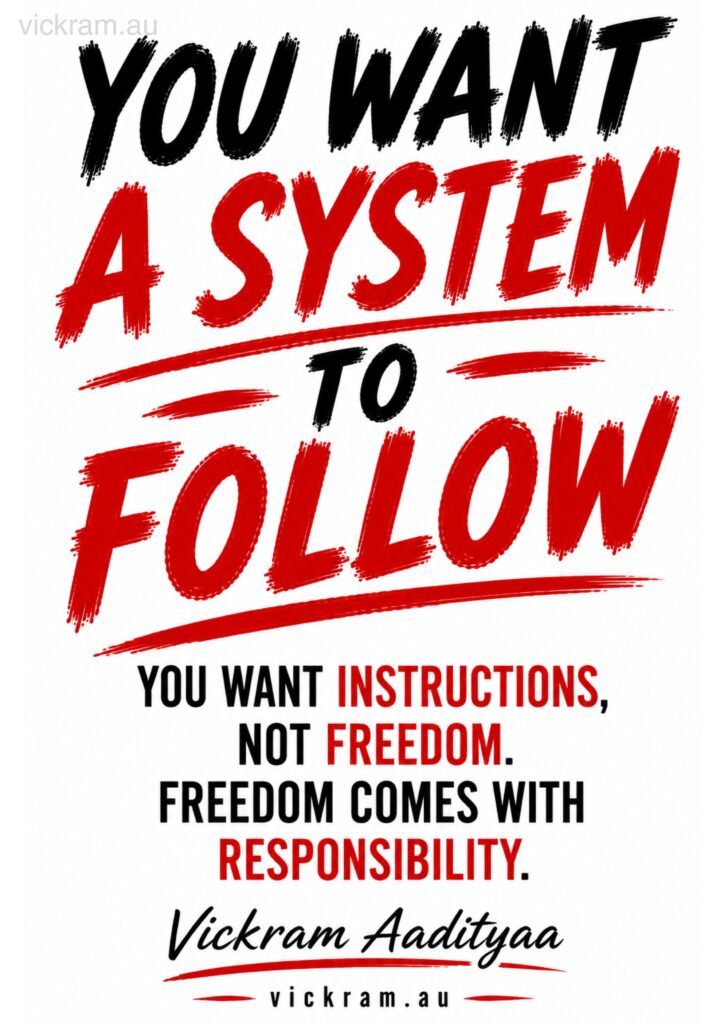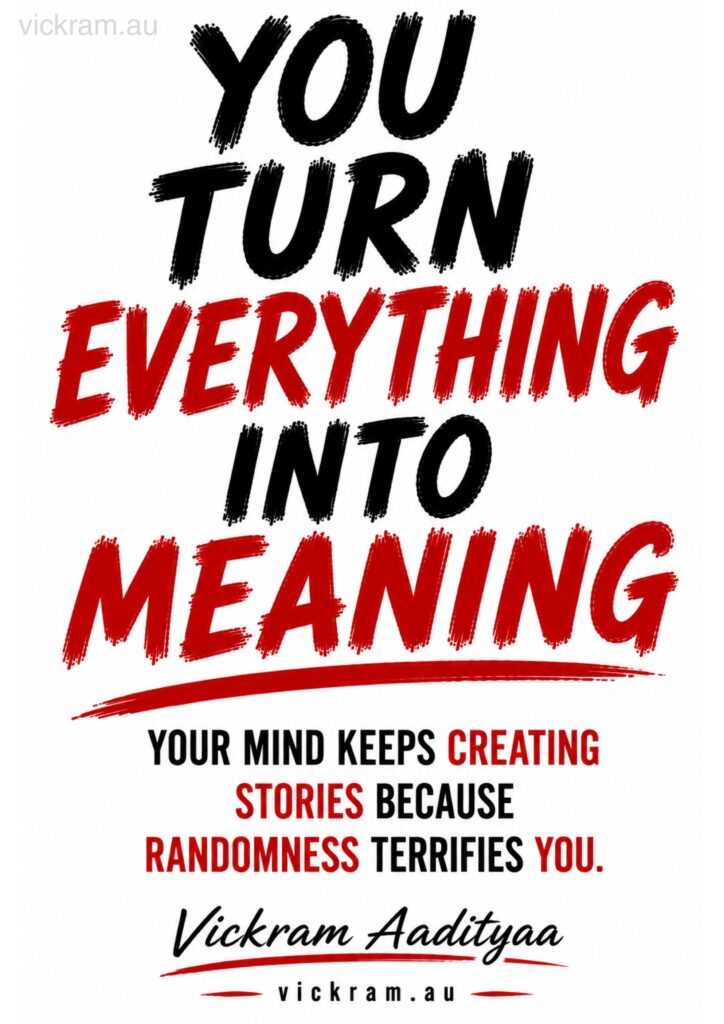
Control is the response to a specific kind of fear. Not fear of something external. Fear of your own interior. Fear of what you might feel if the structure loosened. Fear of what you might find if the noise stopped. Control is how you prevent yourself from having to find out. You manage the schedule. You manage the environment. You manage the people around you, sometimes directly, often through more subtle means.
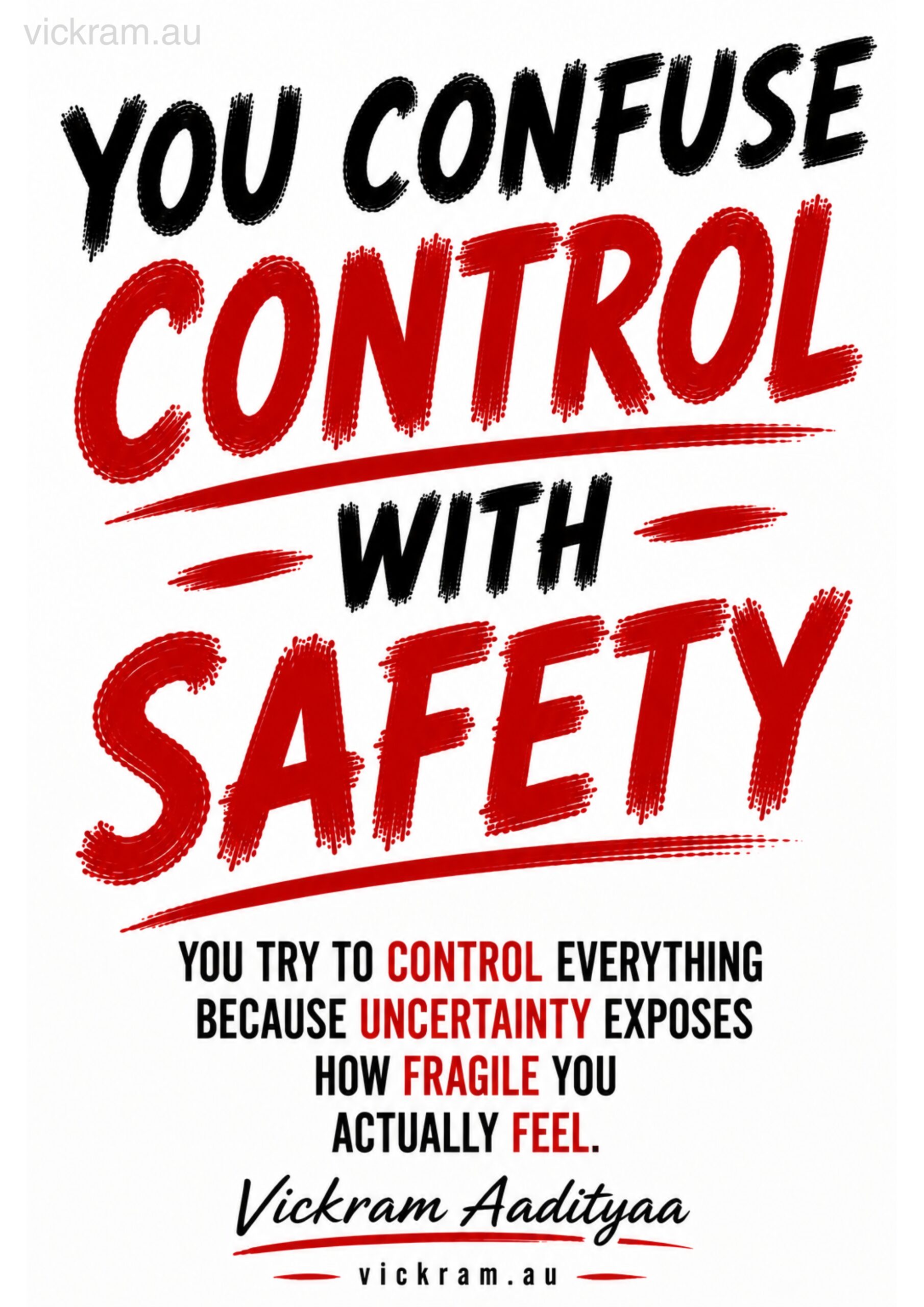
You manage information. You control what you allow yourself to think about. All of this produces the sensation of safety. The sensation is not safety. It is the temporary suppression of uncertainty. Uncertainty does not go away because you have controlled the conditions. It waits. And the more you control, the more sensitive you become to the things you cannot control.
Each element of unpredictability becomes a threat. The system that was supposed to produce safety produces vigilance instead. You are not safer. You are more fragile. Real safety, if it exists, is not structural. It is not produced by controlling the environment. It is an interior condition. The ability to be in uncertainty without being destroyed by it.
To not know what happens next and remain intact. Most people who are running heavy control systems have never experienced this. They have only experienced the absence of it when the control fails. You are not afraid of the thing you are controlling for. You are afraid of who you would be if you stopped controlling.
That person, the one who exists in the uncontrolled state, is what you have been keeping from yourself.